
Understanding the psychology behind the thrill of gambling in casinos
The Allure of Risk and Reward
The thrill of gambling often stems from the psychological dynamics of risk and reward. When individuals engage in casino games, they become entangled in a web of anticipation and excitement. The possibility of winning large sums of money can trigger a rush of adrenaline, stimulating the brain’s pleasure centers. For those intrigued by outdoor sports, trying ice fishing malaysia could provide a unique thrill, alongside the intoxicating feelings of gambling. This feeling can be incredibly intoxicating, making players more willing to take risks than they might be in other areas of their lives. The balance of risk and reward becomes a powerful motivator, driving people to return to casinos in hopes of replicating that euphoric experience.
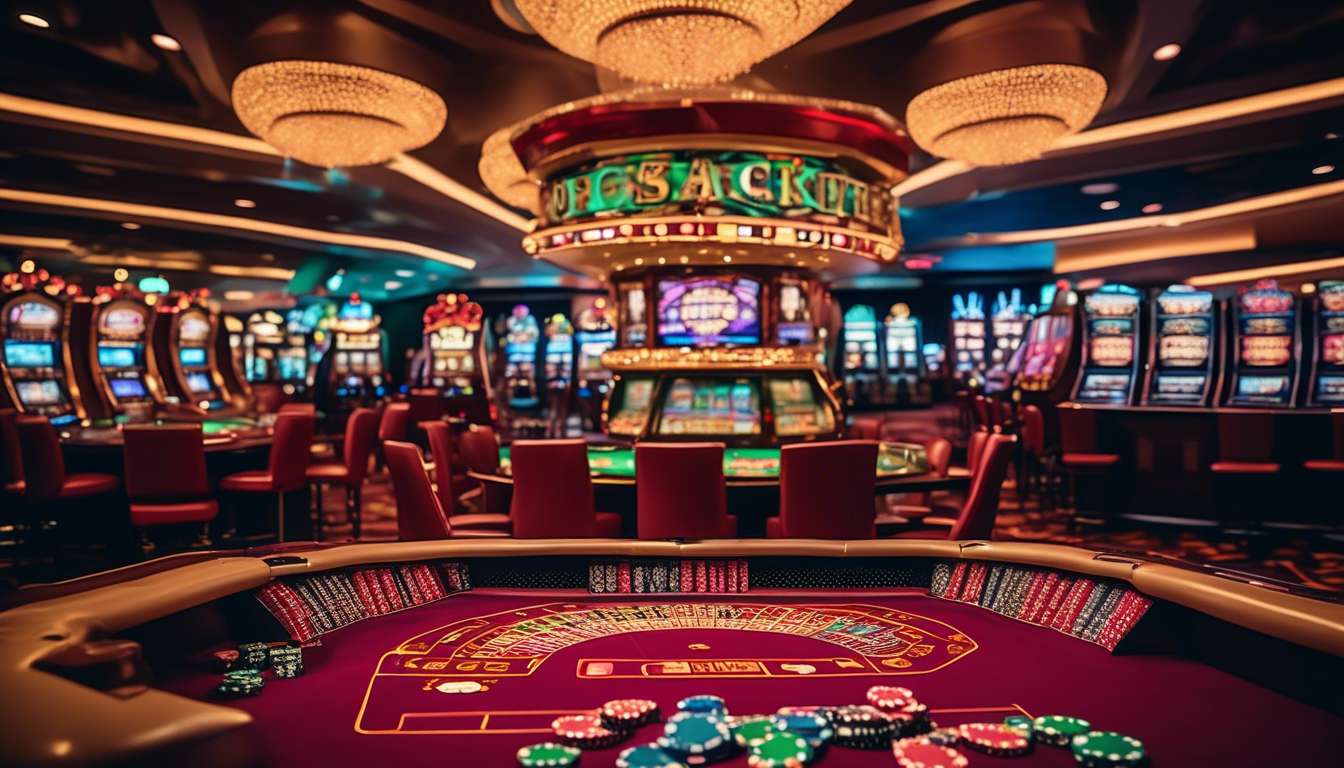
Moreover, the inherent unpredictability of gambling adds an extra layer of excitement. Players are often drawn to games like slots or poker, where the outcome is uncertain. This uncertainty creates a psychological state known as ‘variable reinforcement,’ where players are rewarded intermittently. Research has shown that such unpredictability can lead to compulsive behaviors, as individuals chase the high of winning, even when they experience losses. The thrill of potentially hitting the jackpot keeps players at the edge of their seats, reinforcing the appeal of casinos.
Additionally, social interactions in casinos amplify the thrill of gambling. Casinos are social venues where players can celebrate wins or commiserate over losses with fellow gamblers. These shared experiences foster a sense of community and belonging, making the gambling experience more immersive. The psychological effects of group dynamics can elevate the excitement, as cheers and groans of other players amplify individual emotions. As such, the social environment of a casino not only enhances the gambling experience but also plays a vital role in understanding the psychology behind it.
The Role of Cognitive Biases in Gambling
Cognitive biases significantly influence gambling behaviors, often leading players to make irrational decisions. One prevalent bias is the “illusion of control,” where individuals believe they can influence the outcome of a game despite the inherent randomness. For example, poker players may think their skills will grant them an edge, even when luck plays a substantial role. This misconception can create a sense of invincibility, prompting players to take more significant risks than they ordinarily would.
Another cognitive bias that feeds into the thrill of gambling is the “gambler’s fallacy.” This bias leads individuals to believe that past events can influence future outcomes, such as thinking that a particular slot machine is “due” for a win after a series of losses. This misjudgment fosters hope and excitement, compelling players to continue gambling in search of that elusive win. Such biases can cloud rational judgment, deepening the psychological impact of gambling experiences.
Furthermore, the concept of “near misses” in gambling can heighten the emotional stakes. Players may experience what feels like a close call, such as landing on two out of three jackpot symbols. This sensation triggers a heightened emotional response and can lead to increased playtime, as players feel motivated to try again, believing that a win is imminent. This phenomenon highlights how cognitive biases can manipulate the thrill of gambling, drawing players deeper into the activity despite the odds stacked against them.
The Impact of Environment on Gambling Behavior
The environment within a casino plays a crucial role in shaping the psychology of gambling. From bright lights to the sounds of slot machines, the sensory experience is designed to stimulate excitement and engagement. The layout of a casino is intentional, with pathways leading to various gaming areas, effectively keeping players immersed in the action. This deliberate design can overwhelm the senses, making it easier for individuals to lose track of time and money, ultimately enhancing the thrill of the experience.
Moreover, the use of rewards and incentives, such as loyalty programs and complimentary drinks, further influences player behavior. These perks create a sense of value and belonging, making it difficult for individuals to walk away, even after incurring losses. The immediate gratification of these incentives adds to the psychological allure of gambling, as players feel they are getting more for their investment, even if the odds of winning remain low.
Additionally, social aspects of the casino environment, such as live entertainment and themed events, contribute to the overall excitement. These elements not only create an enjoyable atmosphere but also draw players into the experience, making them less aware of their gambling habits. The combination of stimulating environments, social interactions, and incentive structures fosters a psychologically charged atmosphere, reinforcing the thrill of gambling in casinos.
The Psychological Consequences of Gambling
While the thrill of gambling is appealing, it can also lead to significant psychological consequences for individuals. Many players may find themselves trapped in a cycle of chasing losses, which can result in increased financial strain and stress. This behavior can quickly escalate from a fun pastime into a compulsive gambling issue, leading to feelings of guilt and shame. As losses accumulate, the psychological pressure can become overwhelming, potentially leading to mental health challenges such as anxiety and depression.
Additionally, the thrill of gambling can create unrealistic expectations about financial gain. The promise of a big win may overshadow the reality that most gamblers lose more than they win over time. This disconnect can lead to denial and continued engagement in gambling, despite the negative consequences. As individuals grapple with their gambling habits, they may rationalize their behavior, further complicating the psychological impact on their well-being.
Addressing the psychological consequences of gambling is crucial for promoting responsible gaming. Strategies such as setting limits, taking breaks, and seeking support can help mitigate the negative effects. Education about the risks involved in gambling can empower players to make informed decisions, ultimately allowing them to enjoy the thrill responsibly. By recognizing the psychological dynamics at play, individuals can navigate the fine line between enjoyment and addiction.

Explore the Exciting World of Online Gaming
At Ice Fishing Game Malaysia, we understand the thrill that comes with gaming and aim to provide a comprehensive platform for both new and seasoned players. Our in-depth reviews and guides offer insights into popular games, helping players make informed choices while navigating the gaming landscape. We also emphasize responsible gaming, equipping players with essential strategies to enjoy their experience while minimizing risks.
Our focus on exciting gameplay ensures that players can engage with the games they love while also discovering new ones. We highlight titles that offer dynamic experiences, keeping excitement at the forefront. Players can find exclusive bonuses that enhance their journey, ensuring they get the most out of their gaming adventure. Our commitment to fostering a responsible gaming environment is evident in the resources we provide, ensuring that enjoyment is prioritized without compromising safety.
Join us at Ice Fishing Game Malaysia and immerse yourself in a world of thrilling online gaming experiences tailored for players. Our platform serves as a bridge to engage with your favorite games while offering support and resources to navigate your gaming journey responsibly. Whether you are looking to win big or simply enjoy the entertainment, our site is here to enhance your gaming adventure.
