
Understanding the psychological pull of gambling and its impact on decision-making
The Allure of Gambling: A Psychological Perspective
The psychological pull of gambling can be traced back to fundamental human emotions and cognitive biases. Many individuals are drawn to gambling due to its potential for excitement and thrill. The anticipation of a possible win triggers the brain’s reward system, releasing dopamine, a neurotransmitter associated with pleasure and satisfaction. This neurological response can create a cycle of craving, where the excitement of betting becomes intrinsically rewarding, overshadowing the rational assessment of the risks involved. At Forti Slots casino, players can experience this thrill through a diverse selection of games.

Additionally, the social environment in which gambling often occurs can amplify this allure. Many people associate gambling with social gatherings, celebrations, and entertainment, making it a communal experience. This shared excitement can lead to group dynamics that further perpetuate the desire to gamble. Individuals may feel pressured to participate in a round of betting, especially in settings like casinos, where the atmosphere is designed to captivate and engage players. These elements combine to foster a strong psychological pull towards gambling activities.
Moreover, cognitive biases play a significant role in gambling behavior. The illusion of control is a common bias that leads gamblers to believe they can influence the outcome of games of chance. For instance, players might assume that they can predict outcomes based on previous results, ignoring the random nature of many games. This misconception can result in increased gambling behavior, as individuals continue to wager in hopes of a favorable outcome, further complicating their decision-making processes.
Risk and Reward: The Decision-Making Process
In gambling, the decision-making process is heavily influenced by the perceived balance of risk and reward. Gamblers often assess the potential benefits of a win against the possibility of loss, though their evaluations may not be entirely rational. Many players underestimate the odds stacked against them, focusing instead on the excitement of winning and the allure of substantial payouts. This skewed perception can lead to poor decision-making, where the desire to win overshadows logical thinking.
Furthermore, the concept of “loss aversion” plays a critical role in gambling decisions. This psychological phenomenon suggests that individuals tend to feel the pain of losses more intensely than the pleasure of equivalent gains. As a result, gamblers may chase losses, continuously betting in hopes of recouping what they have lost. This behavior not only leads to further financial strain but also affects their overall decision-making, pushing them deeper into the gambling cycle.
Finally, the concept of “sunk cost fallacy” is prevalent in gambling situations. Gamblers may continue to invest time and money into a game, believing that they need to recover their losses. This fallacy can cloud judgment and result in escalating bets, further distorting rational decision-making. Understanding these biases is essential for recognizing how they affect gambling behaviors and the choices individuals make in such high-stakes environments.
The Role of Environment in Gambling Behavior
The environment in which gambling takes place significantly influences decision-making processes. Casinos and gaming establishments are designed to create an immersive experience that encourages continued play. Bright lights, captivating sounds, and an overall energetic ambiance can heighten emotional responses, leading to impulsive decisions. This carefully crafted atmosphere can entice players to gamble more than they initially intended, as the environment fosters a sense of euphoria and excitement.
Moreover, the social interactions that occur in these environments can also impact gambling behavior. Gamblers often interact with peers or onlookers, which can lead to a heightened sense of validation or competition. Engaging in group activities, such as poker games or communal betting, can make individuals feel more secure in their decisions, despite the potential for significant losses. This social element can further blur the lines of rational decision-making, encouraging impulsive choices driven by emotion rather than sound judgment.
Additionally, the presence of alcohol and other substances in many gambling environments can impair decision-making. When individuals consume alcohol, their ability to evaluate risks diminishes, leading to riskier bets and impulsive behavior. This combination of environmental factors can create a perfect storm, resulting in choices that may not align with an individual’s best interests. Understanding the environmental influences on gambling is crucial for recognizing how they contribute to flawed decision-making processes.
Gambling Addiction and Its Decision-Making Consequences
Gambling addiction is a complex issue that has profound effects on decision-making. Individuals suffering from this addiction often struggle to control their gambling behaviors, leading to compulsive betting. This loss of control can create a cycle of poor decision-making, where the individual continuously seeks out gambling opportunities despite the negative consequences. Emotional distress, financial hardship, and strained relationships often result from this addiction, further complicating their ability to make rational decisions.
The cognitive distortions that accompany gambling addiction can exacerbate the decision-making process. Addicts may convince themselves that their next bet will yield a win, leading them to place increasingly larger wagers in a futile attempt to recover lost funds. This “gamblers’ fallacy” reinforces a belief that they can influence outcomes, despite the randomness inherent in most gambling scenarios. Understanding these cognitive patterns is critical for addressing the decision-making flaws present in addiction.
Furthermore, the impact of gambling addiction extends beyond the individual, affecting families and communities. Loved ones often bear the brunt of the consequences, facing financial strains and emotional turmoil. This ripple effect highlights the need for comprehensive support systems and treatment options for those grappling with gambling addiction. By focusing on both the psychological aspects and decision-making processes involved, society can better address the challenges posed by this complex issue.
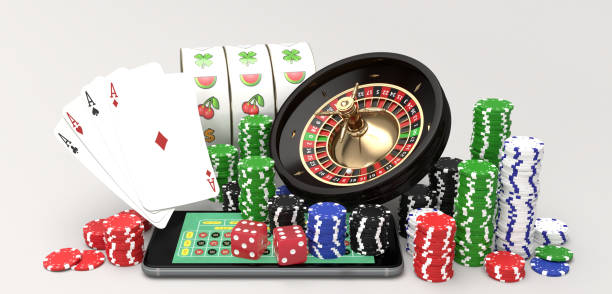
Fortislots Casino: A Safe and Responsible Gaming Environment
At Fortislots Casino, the commitment to providing a secure and enjoyable gaming experience is paramount. Understanding the psychological implications of gambling, the platform emphasizes responsible gaming practices that prioritize the well-being of its players. With a wide variety of games and enticing bonuses, Fortislots aims to create an enjoyable atmosphere while ensuring that players make informed decisions about their gambling habits.
The casino offers numerous resources and tools designed to help players maintain control over their gaming activities. Features such as self-exclusion options and deposit limits empower users to make conscious choices about their spending and time spent gambling. By promoting awareness of the psychological factors that influence gambling behavior, Fortislots strives to create a balanced gaming experience that prioritizes player safety.
In addition to its focus on responsible gaming, Fortislots Casino provides a wealth of entertainment options, including live tables and video slots, all within a secure and licensed environment. Players can enjoy a captivating gaming experience while being mindful of their decision-making processes. By fostering a safe space for gaming, Fortislots Casino is dedicated to ensuring that players engage in gambling responsibly, ultimately enhancing their overall experience.
