
The evolution of gambling A historical journey through games of chance
The Origins of Gambling
The history of gambling can be traced back to ancient civilizations where games of chance were intrinsic to various cultures. Archaeological evidence suggests that as early as 2,300 BC, the Chinese were using rudimentary dice made from bones and other materials for gaming purposes. This practice spread across different regions, evolving with each culture’s unique interpretations and variations, laying the foundation for what we now recognize as gambling. Today, many enthusiasts can explore games at places like https://lolajack.bet/.

In Ancient Egypt, gambling was often associated with the gods and was believed to be a way of divine communication. Artifacts, including dice and other gaming tools, have been discovered in tombs, indicating the significance of these games in their daily life. Similarly, the Greeks and Romans popularized betting on athletic competitions, further intertwining gambling with societal events, demonstrating its longstanding presence in human culture.
As trade routes expanded and cultural exchanges occurred, the concept of gambling transformed and integrated diverse elements from various societies. This evolution witnessed the birth of numerous games, many of which laid the groundwork for modern gambling. The establishment of rules and formal games began to emerge, marking a shift from random chance to organized methods of play.
The Rise of Casinos
The formalization of gambling took a significant leap with the establishment of the first casinos in the 17th century. The Casino di Venezia in Italy, recognized as the oldest continuously operating casino, opened its doors in 1638. These venues provided a controlled environment for various games of chance, attracting the wealthy elite and offering a new form of entertainment that blended socializing with risk.
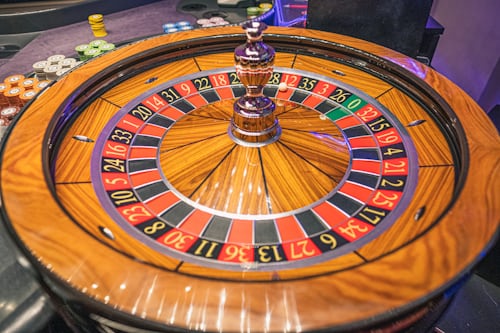
During the 18th century, gambling houses began to flourish across Europe, especially in France and England. The introduction of more structured games like baccarat and roulette solidified casinos as destinations for gambling enthusiasts. The term “casino,” derived from the Italian word for “little house,” emphasized the social aspect of gambling, where individuals could gather to play, drink, and socialize.
This growth in casino culture coincided with the expansion of gambling laws and regulations. As governments recognized the economic potential of taxation, they began to regulate these establishments. This shift not only aimed to control the often chaotic and illegal gambling that thrived in the shadows but also marked the evolution of gambling into a legitimate business sector.
The Birth of Modern Gambling
The 20th century marked a transformative period in the world of gambling, driven by technological advancements and the establishment of Las Vegas as a gambling mecca. The post-World War II era saw a surge in disposable income and leisure time, prompting a renewed interest in entertainment options. Las Vegas emerged as a symbol of this new era, with extravagant casinos offering a variety of games and lavish shows.
During this time, new games and innovations were introduced, such as slot machines, which quickly became a favorite among players. This machine-based gambling removed the need for social interaction, allowing individuals to play at their own pace. The rise of video games further revolutionized the gambling landscape, leading to the introduction of online casinos in the late 1990s, which provided a convenient alternative to traditional gaming.
The internet has drastically changed the gambling experience, making it accessible to a broader audience. Online platforms offer a diverse range of games, from classic table games to modern slot machines, allowing players to engage from the comfort of their homes. With the increasing popularity of mobile gaming, gambling has seamlessly integrated into everyday life, making it a ubiquitous form of entertainment globally.
Gambling Myths and Misconceptions
Throughout its long history, gambling has been surrounded by numerous myths and misconceptions that shape public perception. One common belief is that luck is the sole factor determining a player’s success. However, while chance plays a significant role, many games involve an element of skill, particularly in poker, where strategy can outweigh luck.
Another misconception is that casinos are designed to ensure players always lose. While it is true that casinos operate with a house edge, the notion that players cannot win is misleading. Many individuals experience significant wins, and understanding odds can help players make more informed choices. This awareness can demystify the experience and promote a healthier approach to gambling.
The belief that gambling is inherently addictive and harmful is another pervasive myth. While gambling can lead to problems for some individuals, many people engage in it responsibly without adverse effects. Understanding the distinction between recreational gambling and gambling addiction is crucial, as it fosters a balanced perspective on the activity, allowing individuals to enjoy it without negative consequences.
LolaJack Casino and the Future of Gambling
As we look at the evolution of gambling, modern platforms like LolaJack Casino highlight the industry’s adaptability to technological advancements. Offering a vast selection of over 4,000 slots, live dealer games, and progressive jackpots, LolaJack provides a comprehensive gaming experience tailored for players in the UK. The platform’s commitment to player security through robust verification processes ensures that users can enjoy their gaming experience with peace of mind.
The emergence of online casinos has changed the landscape, with LolaJack leading the way by offering attractive promotions, including generous welcome packages and free spins. Such incentives are designed to enhance player engagement and create a dynamic environment that caters to varying preferences. With the inclusion of cryptocurrencies as a payment option, LolaJack is at the forefront of modern gambling, embracing innovation to provide a seamless experience.
Looking ahead, the future of gambling will likely continue to evolve, influenced by technological advancements and changing societal attitudes. As players become more informed and the gaming industry adapts to meet their needs, the journey of gambling promises to be one of exciting developments and opportunities for growth, ensuring its place as a prominent form of entertainment for generations to come.
